Regions / Japan / Sea Differences / Fish Culture Atlas

Read Japan’s Fish by Region

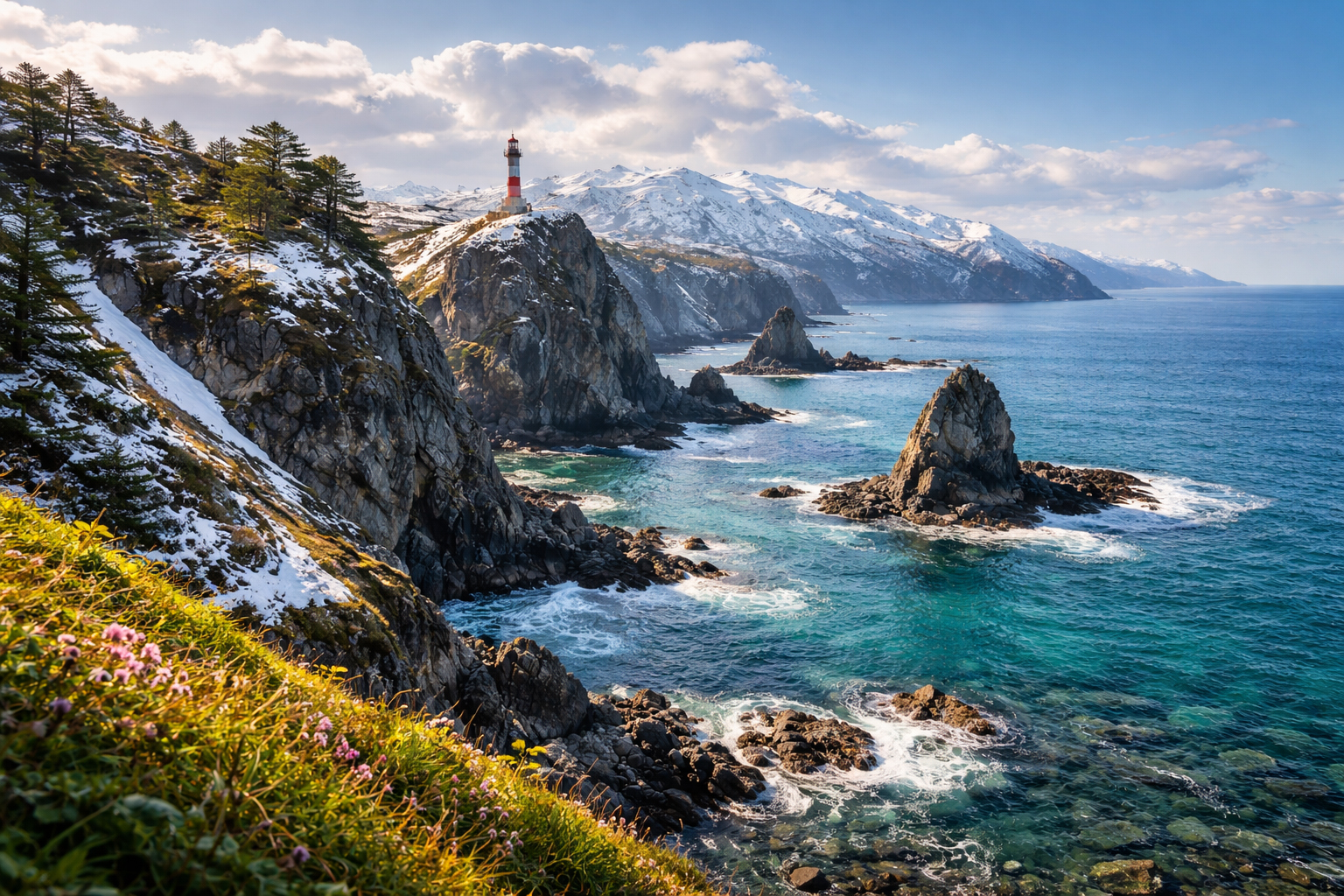
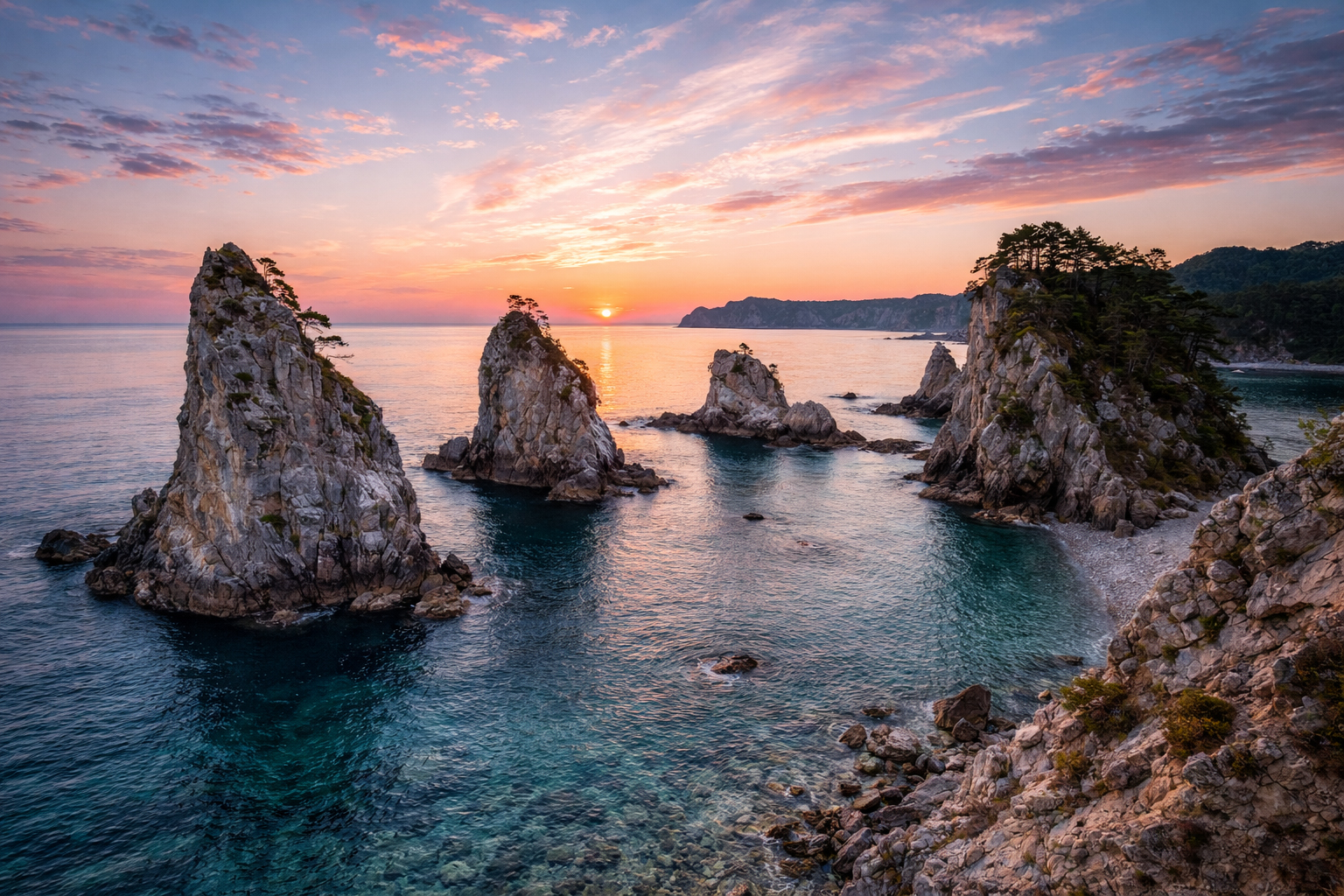
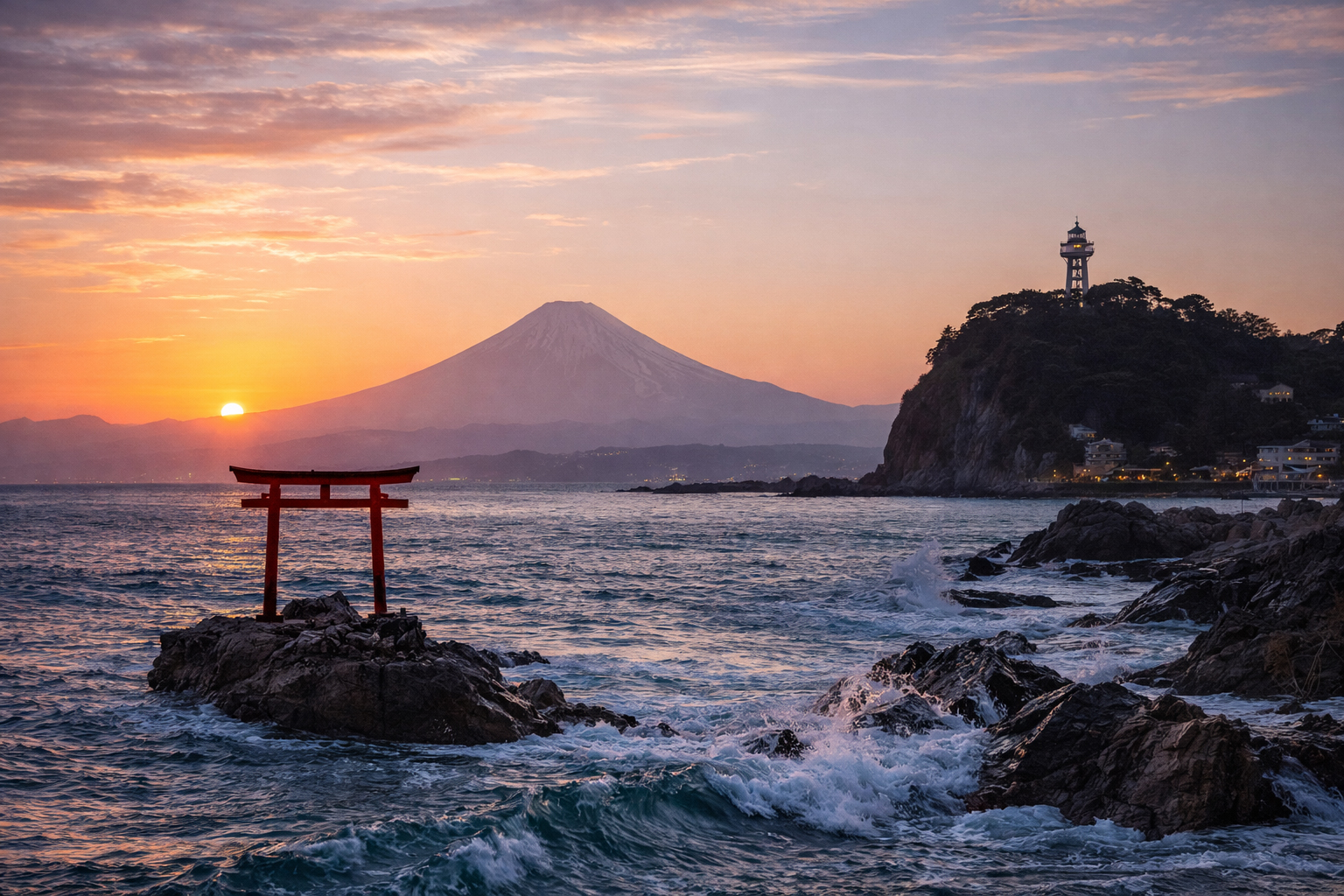
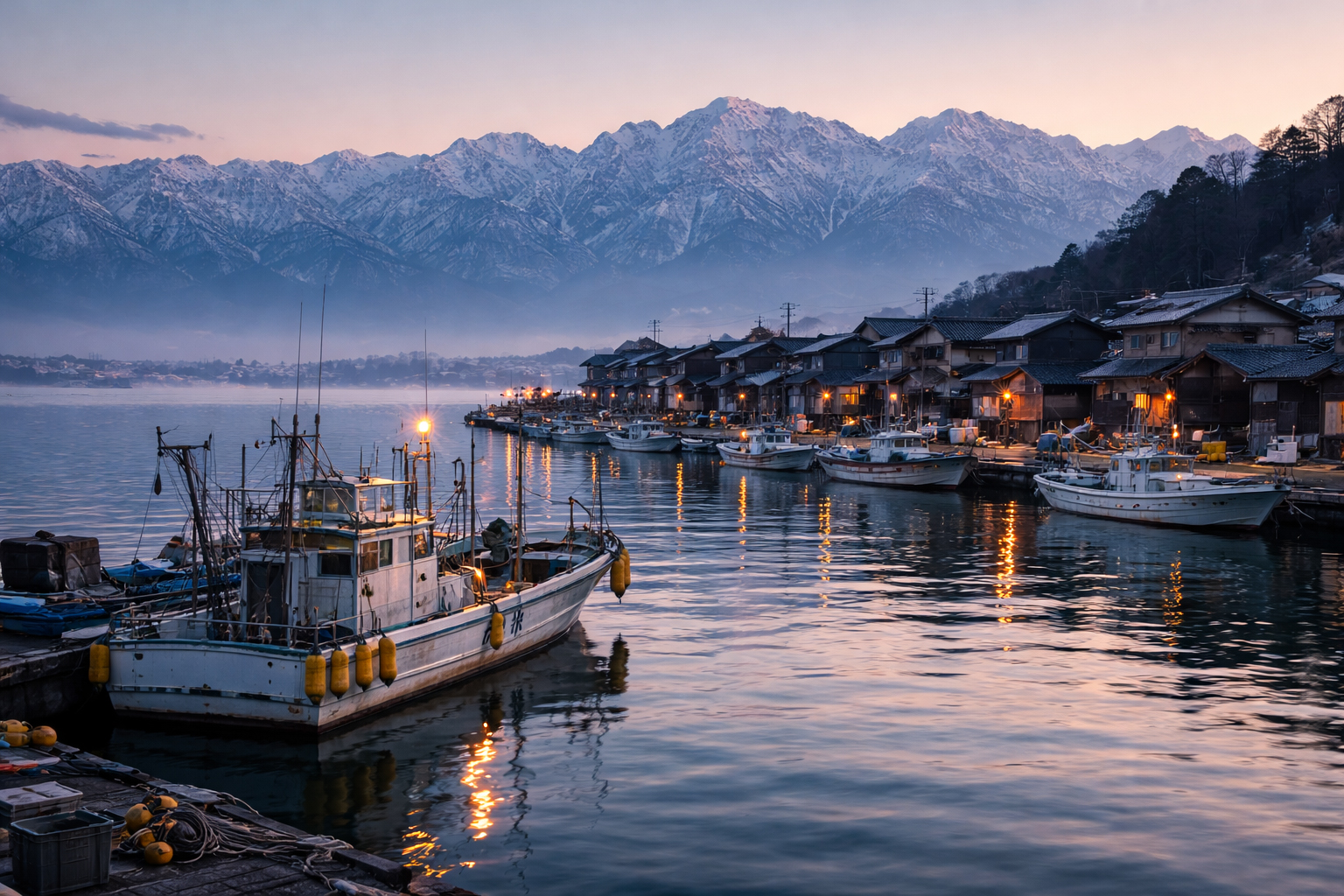
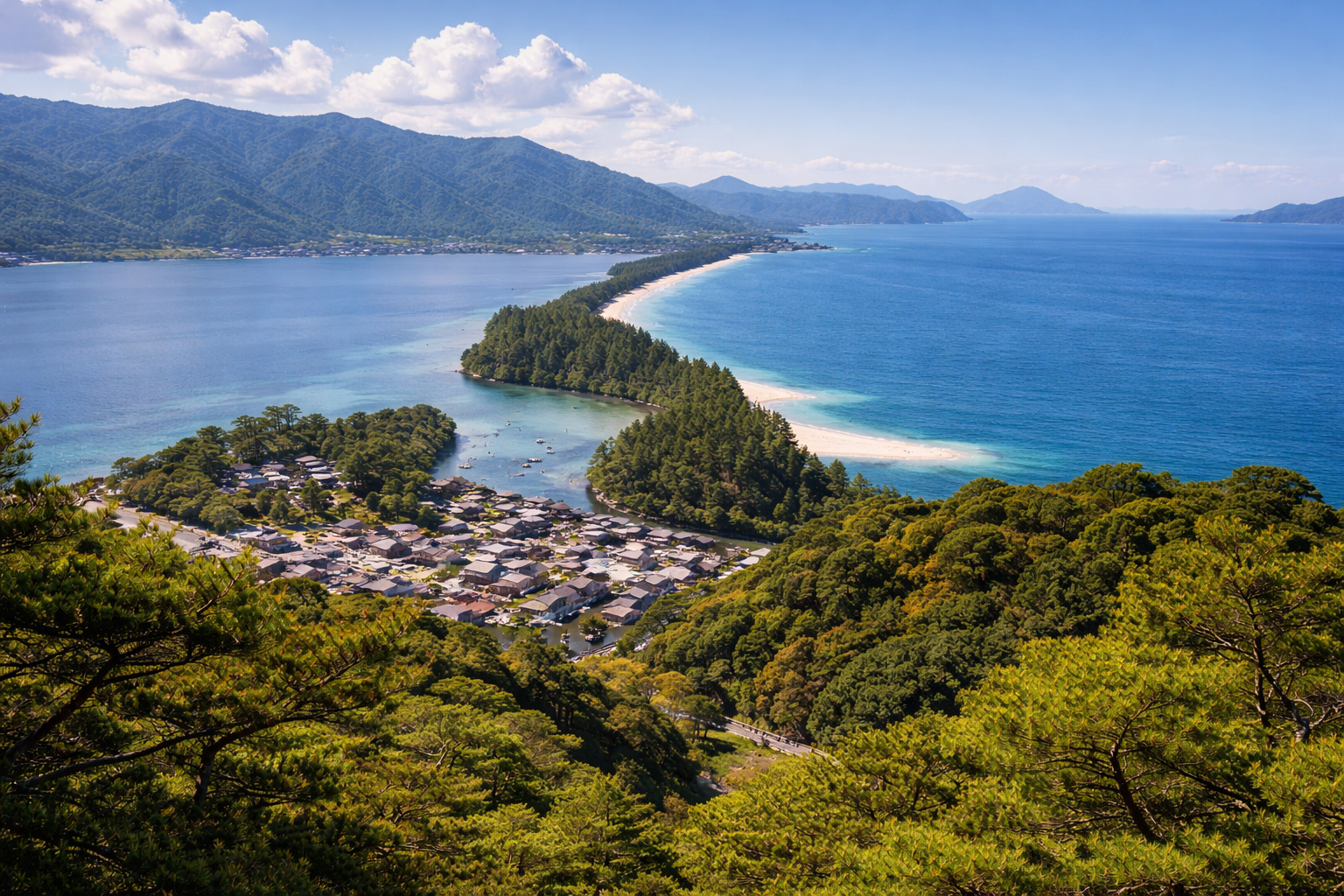
Japan’s fish culture becomes far more vivid when you read it geographically. The cold northern seas, the practical harbors of Tohoku, Tokyo’s giant markets, the quiet dignity of the Sea of Japan, the gentler waters of the Seto Inland Sea, the warmer southern coasts, and Okinawa’s coral waters all shape how fish are caught, talked about, cooked, and remembered.

North to South Sea Personality Harbor Culture Regional Fish Identity

Seasonal Verse

北の白
南の青まで
魚の国

From northern white seas
to southern coral-blue waters—
one country of fish.

How to use this guide

Start with the sea, not the species name

In this section, the best starting point is not a fish name but a sea personality. Is the water cold or protected? Rough or calm? Close to giant markets, or close to harbor life? Those differences change not only the fish, but the mood of the culture around them.

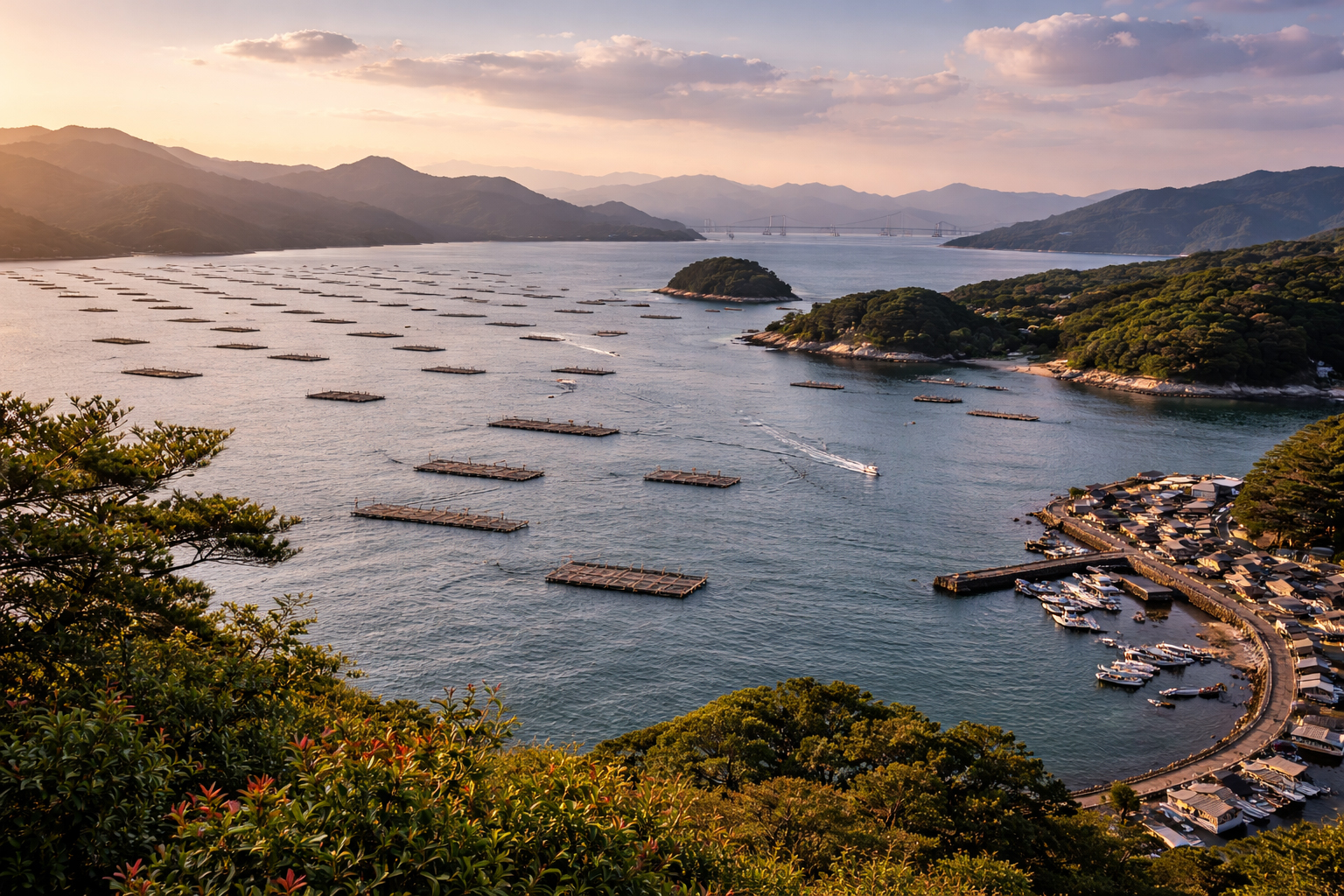
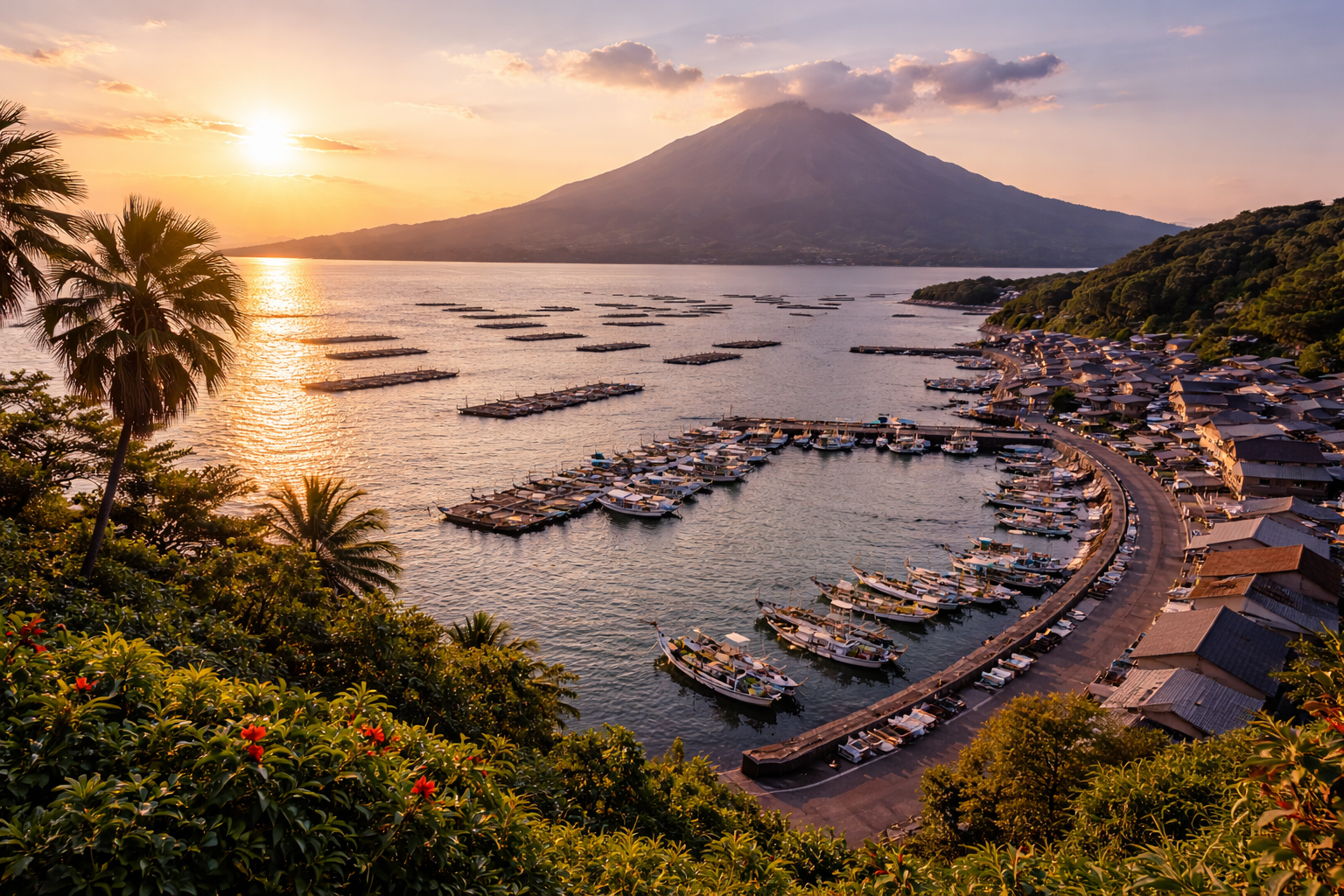
Hokkaido gives you scale and northern abundance. Tohoku offers seriousness and trust. Kanto turns fish into urban culture. Hokuriku gives you quiet Sea of Japan pride. Toyama is a bay so distinctive it feels like a story all by itself. Kansai is fish shaped by cooking culture. Setouchi is the gentler inland sea. Kyushu carries warm-current strength. Okinawa shows Japan’s southern, coral-water face.

North and East

Reading the colder and larger seas

This part of Japan shows fish shaped by cold water, serious harbors, and in Kanto’s case, by giant urban demand.

Sea of Japan side

Reading Japan’s quieter, deeper coastal pride

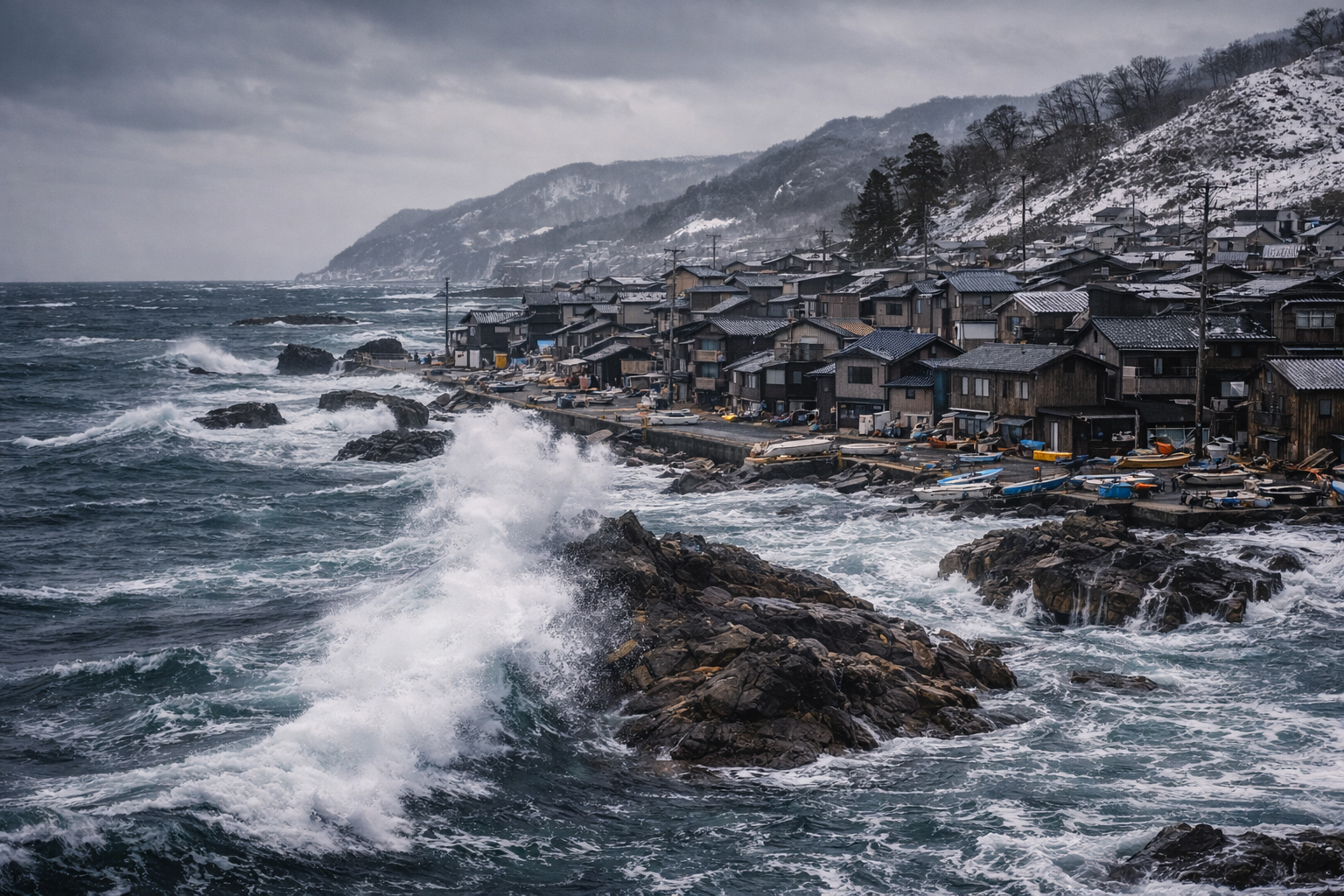
The Sea of Japan side often carries a quieter voice. The seafood is not weak at all. It simply tends to earn deep nods instead of loud applause.

West and South

Reading warmer, gentler, and more southern waters

As you move west and south, the seafood stories change. Kansai adds culinary sophistication, Setouchi softens into inland-sea life, Kyushu grows stronger, and Okinawa changes the color of everything.

What changes by region?

What really shifts when you change region?

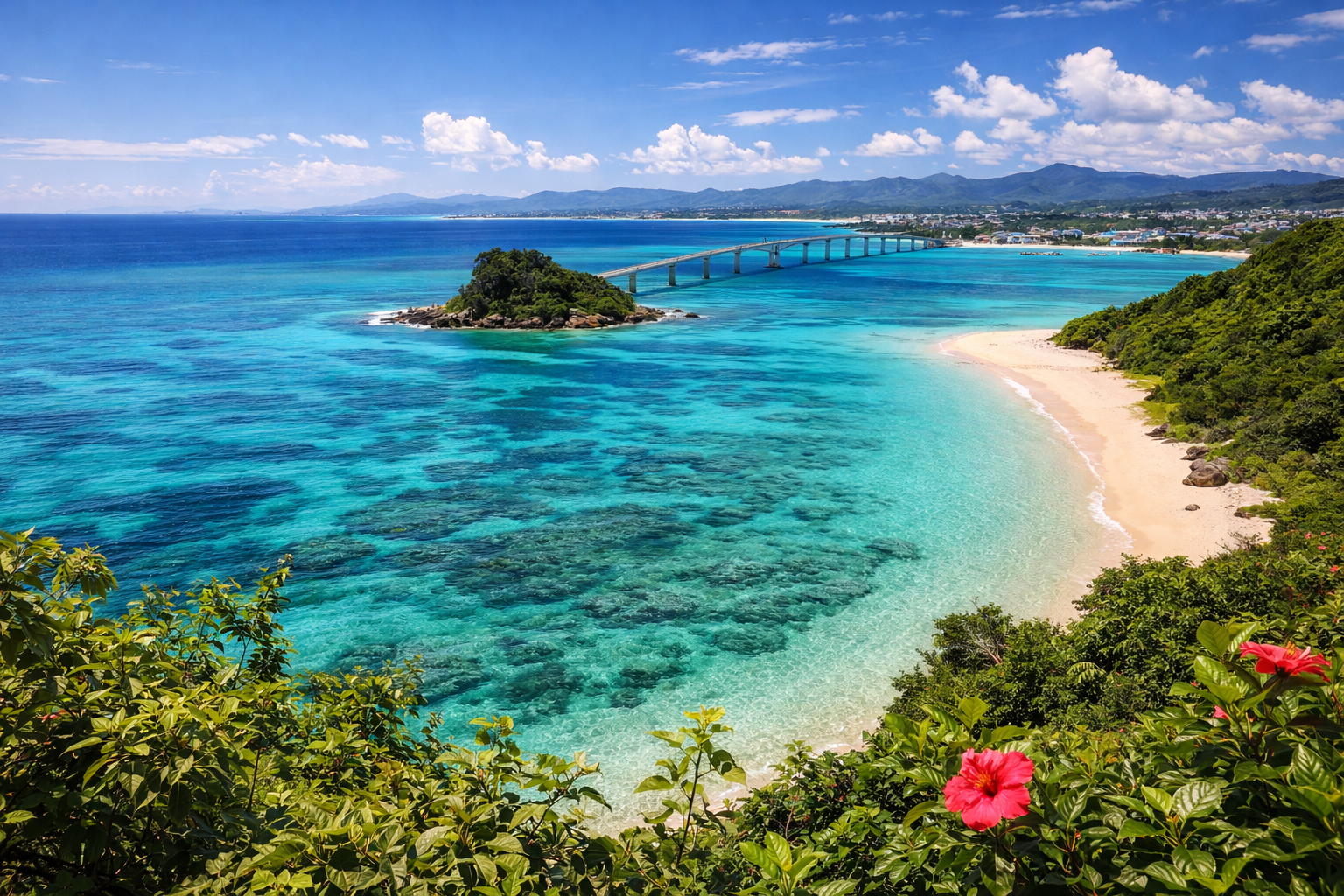
The color of the water

North, south, inland sea, Pacific, Sea of Japan — the light itself changes, and with it the feeling of the seafood culture.

The tone of the fish story

Some regions talk about strength. Others about elegance, reliability, market value, seasonality, or quiet regional pride.

The temperature of the table

Winter pots, harbor sake, sushi counters, grilled fish smoke, warm coastal evenings — fish changes the room as much as the plate.